Best Cappadocia Valleys Compared: Love, Rose, Red, Pigeon, Zemi and Ihlara
Best Cappadocia Valleys Compared: Love, Rose, Red, Pigeon, Zemi and Ihlara
Practical attraction advice with transport, timing and visitor context.
Affiliate disclosure: Some booking links may earn us a small commission at no extra cost to you. How our affiliate links work.
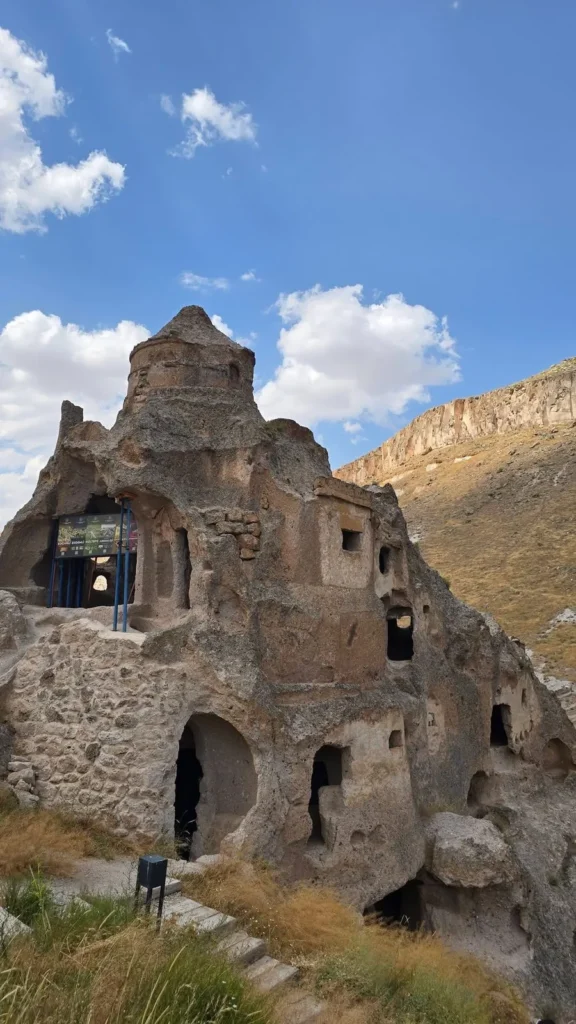
Love Valley is famous for fairy chimneys and balloon views, Rose and Red Valleys are strongest for hiking and sunset, Pigeon Valley links Goreme with Uchisar, Zemi offers a quieter green corridor near Goreme, and Ihlara is a distant river gorge with rock churches. The best Cappadocia valley depends on your available time, transport and walking confidence. Choose one central hike well rather than rushing through several named viewpoints.
Quick valley comparison
| Valley | Best for | Typical experience | Transport issue |
|---|---|---|---|
| Love Valley | Fairy chimneys, sunrise photos | Viewpoint or trail | Several different access points |
| Rose Valley | Hiking, churches, sunset | Branching trails | Arrange return after one-way route |
| Red Valley | Golden-hour colour | Viewpoint and connected walks | Busy sunset approaches |
| Pigeon Valley | Goreme-Uchisar connection | Dovecotes and town-to-town hike | Know the correct entrance |
| Zemi Valley | Quieter walking | Vegetation and rock walls | Mud and route junctions |
| Ihlara Valley | River gorge and churches | Longer southern outing | Far from central towns |
Love Valley
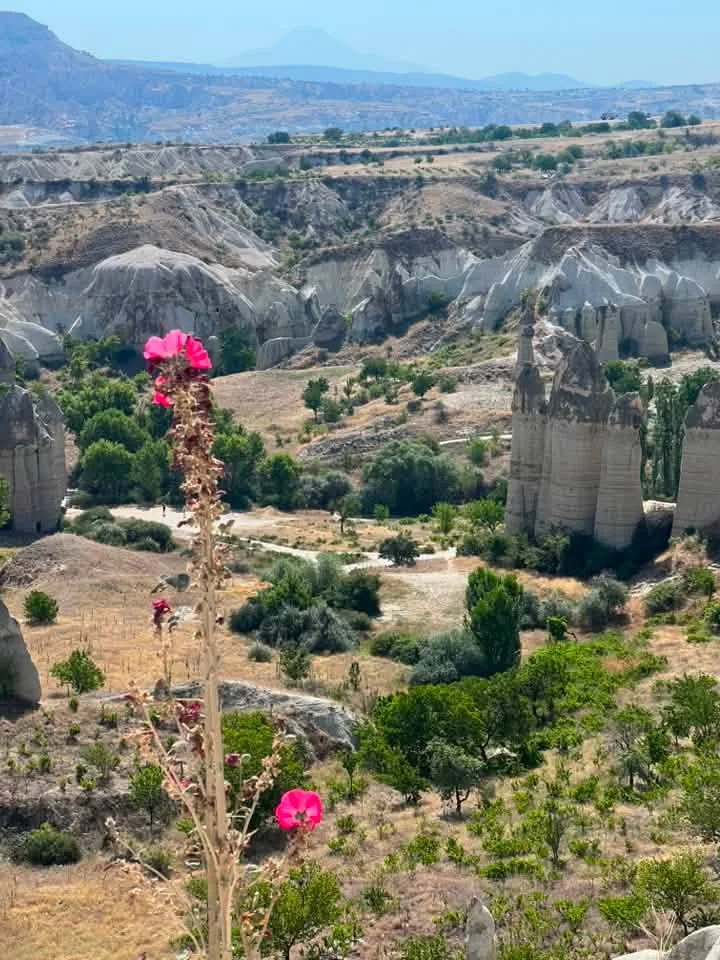
Love Valley’s tall formations make it immediately recognisable. Many visitors use a roadside panorama rather than completing the trail. Sunrise can include balloons when wind sends flights nearby, but no viewpoint guarantees their path. Confirm whether you are visiting the upper panorama or walking entrance.
Rose Valley
Rose Valley contains branching paths, rock-cut churches and formations that soften in evening light. It is one of the best half-day walking choices for active first-time visitors. Carry an offline map and identify the exit before starting. Guided hiking adds historical context and reduces navigation stress.
Red Valley
Red Valley is closely connected with Rose Valley and valued for warm sunset colour. Viewpoint visitors and hikers share the area near golden hour. Start earlier if you want a real walk, then finish at a safe established panorama. Carry a headlamp for the return.
Pigeon Valley
Pigeon Valley runs between Goreme and Uchisar and displays dovecotes carved into rock faces. Historically, pigeon manure supported vineyards and agriculture. The route is useful as a one-way town connection, but entrances can confuse first-time walkers. Start from the clearer end and plan transport back.
Zemi Valley
Zemi offers a quieter path with vegetation, rock walls and nearby church sites. Shade varies, and mud can linger after rain. It suits repeat visitors or walkers wanting an alternative to the busiest sunset valleys. Do not enter closed or unstable caves.
Ihlara Valley
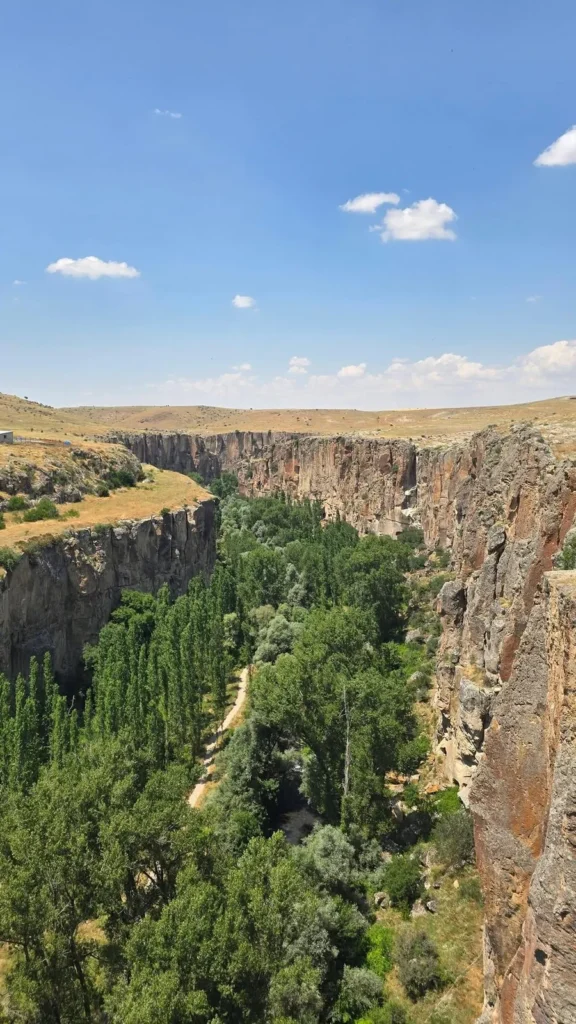
Ihlara differs from central Cappadocia because a river runs through a deep gorge lined with rock-cut churches. It is far south and normally occupies much of a day when combined with an underground city and Selime. A Green Tour, driver or rental car is more efficient than improvising transport.
Best valley for each traveller
- First hike: a defined Rose-Red section.
- Balloon photography: Love Valley panorama when wind cooperates.
- Town-to-town walk: Pigeon Valley.
- Quiet trail: Zemi Valley.
- Full-day nature and history: Ihlara Valley.
- Sunset: Red Valley or a connected Rose Valley route.
Can you hike independently?
Yes on suitable routes with weather awareness, offline navigation, water and a return plan. Trail signs and online maps are not perfect. Solo hikers should tell someone the route and avoid starting late. A guide is valuable for hidden churches and complex junctions.
Planning your visit
Check current opening times, ticket terms and temporary closures on the official museum or municipality website shortly before travelling. Seasonal schedules change and a listing copied months earlier can be wrong. Arrive near opening for important museums, or use late afternoon for outdoor viewpoints when heat and crowds soften. Never build a tight airport connection around an attraction visit.
Wear closed shoes with grip. Cappadocia’s volcanic tuff creates loose dust, irregular stone steps and exposed edges. Carry water and sun protection in warm months, and layers plus ice awareness in winter. Historic caves are not conventional modern buildings; visitors may encounter low openings, narrow passages and limited railings.
Getting there and getting around
Goreme, Uchisar, Urgup, Avanos and the southern underground-city area are spread across the region. Walking is suitable within towns and on planned valleys, but not for connecting every major attraction. Taxis work for a single stop or one-way hike when return is arranged. A rental car gives flexibility, while a guided Red, Green or private tour combines transport with explanation.
Ask a driver to agree on pickup time and place before entering a remote trail. Mobile reception may fail at valley exits. If using a group tour, read the exact stops, guide language, entrance inclusions and walking level; colour names alone do not guarantee a route.
How long should you allow?
Add time for parking, ticket queues, orientation, photography and the walk back to transport. A place described as a one-hour stop can occupy half a day when combined with lunch and travel. Group nearby attractions: Pasabag with Zelve and Avanos; Uchisar Castle with Pigeon Valley; an underground city with a southern route; Goreme Open Air Museum with a central valley.
Photography and respectful behaviour
Follow every restriction inside churches and museums. Flash, tripods or photography can be prohibited in sensitive interiors. Do not touch frescoes, cross barriers or climb fragile formations for a photograph. Ask before taking close portraits of residents or craftspeople. Drone rules and protected zones require current permission; seeing another drone does not prove legal access.
Accessibility and family questions
Words such as easy and family-friendly are subjective. Request the number of steps, path surface, tunnel height and availability of toilets. Strollers are unsuitable for most valley trails and many rock-cut sites. Underground cities can challenge anyone with claustrophobia, heart or respiratory conditions. Castles and open-air museums involve exposed, uneven ground. Choose a panoramic alternative when the main route does not suit your body.
Weather alternatives
In summer, move outdoor visits to early morning or late afternoon. In heavy rain, avoid flood-prone valleys and slippery rock. In winter, ice can affect castle stairs, roads and shaded paths. Replace an exposed hike with a pottery workshop, town museum, underground site if access roads are safe, or a long local lunch. Weather flexibility is part of good Cappadocia planning.
How to decide whether a guide adds value
A guide is most useful where the landscape contains information that is easy to miss: fresco sequences, underground ventilation, settlement history, geology and the changing use of carved rooms. At a simple panorama, independent time may be more valuable. Use a guide for explanation and difficult transport, not merely to stand beside you while photographs are taken.
Ask whether professional guiding is included or whether the product supplies only a driver. Confirm the language and group size. A private guide benefits families, photographers and visitors who need a slower route, while a small group normally gives solo travellers and couples better value.
Food and rest near major attractions
Do not wait until everyone is exhausted to choose lunch. Goreme, Uchisar, Urgup and Avanos have the broadest restaurant choice. Remote valley cafes can be seasonal, and museum kiosks do not replace a meal. Carry water and a small snack, then plan a proper stop between physically demanding attractions.
Try regional dishes such as testi kebab, manti, lentil soup, local cheeses, grape products and pottery-cooked meals, but check preparation time. Avanos is convenient after Zelve and Pasabag; Uchisar works after Pigeon Valley; Goreme works after the Open Air Museum. A calm meal helps visitors understand town life rather than treating Cappadocia as an empty landscape.
Avoid attraction overload
Two rock-cut sites can look similar when visited too quickly. Choose one main historical place, one landscape and one town experience for a balanced day. For example, combine Goreme Open Air Museum, a short Rose Valley walk and dinner in Goreme. Another day can combine Kaymakli, a southern panorama and Ihlara.
Leave room to respond to what interests you. If frescoes are fascinating, spend longer at the museum. If enclosed tunnels are uncomfortable, leave the underground city and use the time above ground. A successful itinerary is not measured by the number of ticket stubs.
Protect the landscape
Cappadocia’s soft tuff erodes naturally and is also damaged by careless climbing. Use durable paths, take rubbish out and keep vehicles on permitted tracks. Never scratch names into rock, move stones, light fires or enter fenced spaces. Report hazards to site staff rather than trying to repair or move barriers yourself.
Residents still live and work around famous landscapes. Park without blocking homes or farm access, keep noise low before sunrise and request permission for portraits. Responsible behaviour protects both the visitor experience and the communities that maintain these places.
Compare tours that include these places
Compare current routes, pickup areas, entrance inclusions, walking level and recent verified reviews before booking.
Affiliate disclosure: I may earn a commission at no extra cost to you.
FAQ
Which valley is easiest?
A viewpoint is easier than a complete trail. Difficulty varies by entrance, weather and route length.
Which valley has balloons?
Love, Rose, Red and areas around Goreme may have views, but wind determines the flight path.
Can I combine Rose and Red?
Yes; they connect through several routes. Use a map or guide and choose a distance that fits daylight.
Is Ihlara close to Goreme?
No. It is a longer southern journey and should be treated as a major day trip.
Are trails suitable for strollers?
Most are not. Loose surfaces, steps and narrow sections make a carrier more practical.