Cappadocia Cave Hotel vs Stone Hotel: Which Room Should You Book?
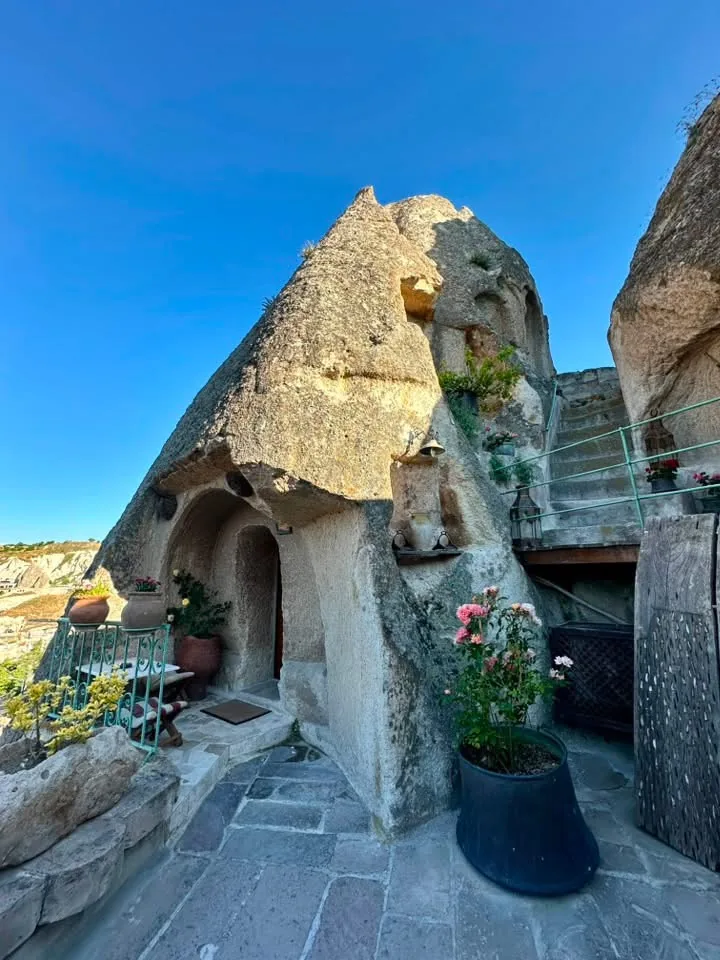
Cappadocia Cave Hotel vs Stone Hotel: Which Room Should You Book?
Independent hotel guidance based on location, comfort and real trip needs.
Affiliate disclosure: Some booking links may earn us a small commission at no extra cost to you. How our affiliate links work.
A cave room is not automatically better than a stone room in Cappadocia. Original cave rooms feel atmospheric and naturally insulated, but they may have limited daylight, more moisture and irregular layouts. Stone rooms usually provide larger windows, straighter walls and easier climate control while still using local architecture. Many hotels offer both styles, so the exact room description matters more than the property’s name. This guide helps couples, families and first-time visitors choose confidently.
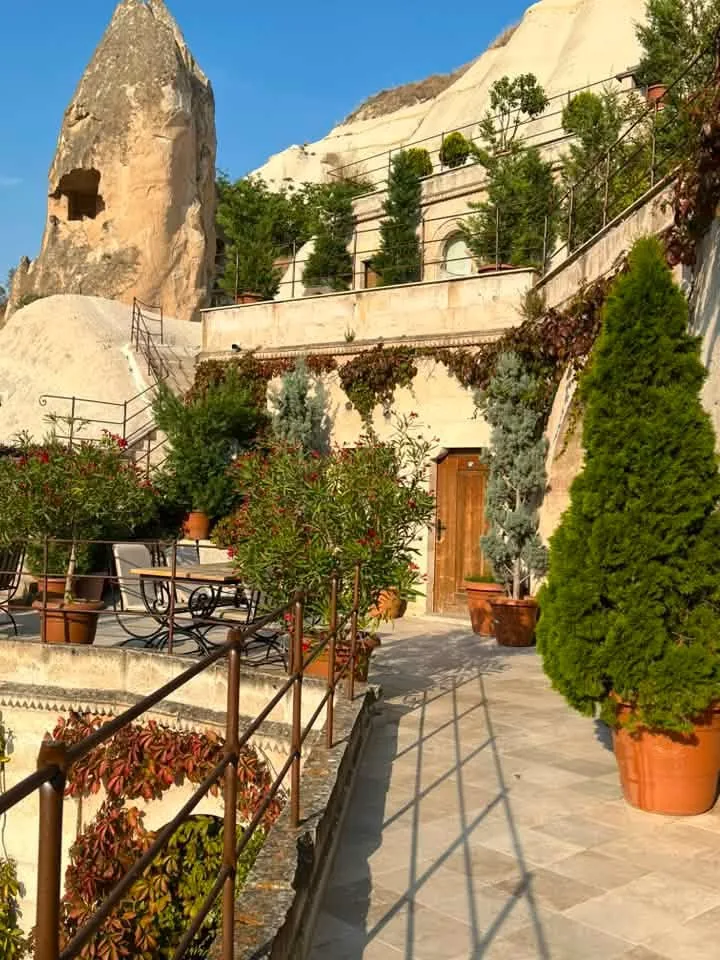
Quick comparison: cave room or stone room?
| Feature | Cave room | Stone room |
|---|---|---|
| Atmosphere | Highly distinctive and historic-feeling | Traditional look with familiar layout |
| Daylight | Often limited | Usually better windows |
| Temperature | Naturally stable but can feel cool | Easier modern climate control |
| Moisture | Can vary by room and season | Often more predictable |
| Best for | Short atmospheric stay | Families, longer stays, light sleepers |
What is an authentic cave hotel?
An authentic cave room uses space carved into Cappadocia’s volcanic tuff or a historic dwelling adapted for hospitality. A stone room is constructed from local stone and can still belong to a restored historic property. Some rooms combine both. The term cave hotel is used broadly in marketing, so ask the hotel to identify the exact construction of the category you are buying.
Irregular walls, niches and thick rock create character, but authenticity should not excuse poor ventilation, unsafe wiring or misleading photographs. A well-restored room balances preservation with clean bathrooms, reliable heating and emergency access. Newer stone rooms can be beautiful, quiet and more practical.
Comfort differences travellers notice
Light and windows
Deep cave rooms may have one door and a small opening. This can feel cosy for a couple and enclosed for someone with claustrophobia. Stone rooms more often have conventional windows. Ask for daylight photographs taken without heavy editing.
Temperature and ventilation
Rock moderates temperature, but a cave room can still feel cold in winter or humid after wet weather. Good mechanical ventilation matters in bathrooms and deep rooms. Stone rooms respond faster to heating and cooling. Travellers with asthma or sensitivity to damp should request detailed information rather than relying on general reviews.
Noise and sleep
Thick walls can reduce neighbouring-room noise, yet courtyards, stairways, rooftop breakfasts and early balloon pickups create other sounds. Ask whether the room is below a terrace or beside reception. A quiet location within the property is more important than construction alone.
Accessibility
Historic cave complexes follow the hillside. Split levels and stone stairs are common, and lifts are uncommon. Stone rooms in newer wings may be easier to reach. A ground-floor label can still involve external steps, so request the entire route from vehicle drop-off to bed.
Who should choose a cave room?
Choose a cave room if atmosphere is a major purpose of the trip, you are staying only a few nights and you enjoy low light and unusual layouts. It can be ideal for couples, photographers and travellers who want the room itself to feel like part of Cappadocia. Book a category with an external window if enclosed spaces worry you.
Who should choose a stone room?
Choose a stone room for abundant daylight, family space, easier luggage handling or a longer stay. It is also practical for travellers who want predictable heating and ventilation. A stone suite can still include carved details, arches, rugs and a terrace. You are not losing the Cappadocia experience by sleeping in a room that works better for your body.
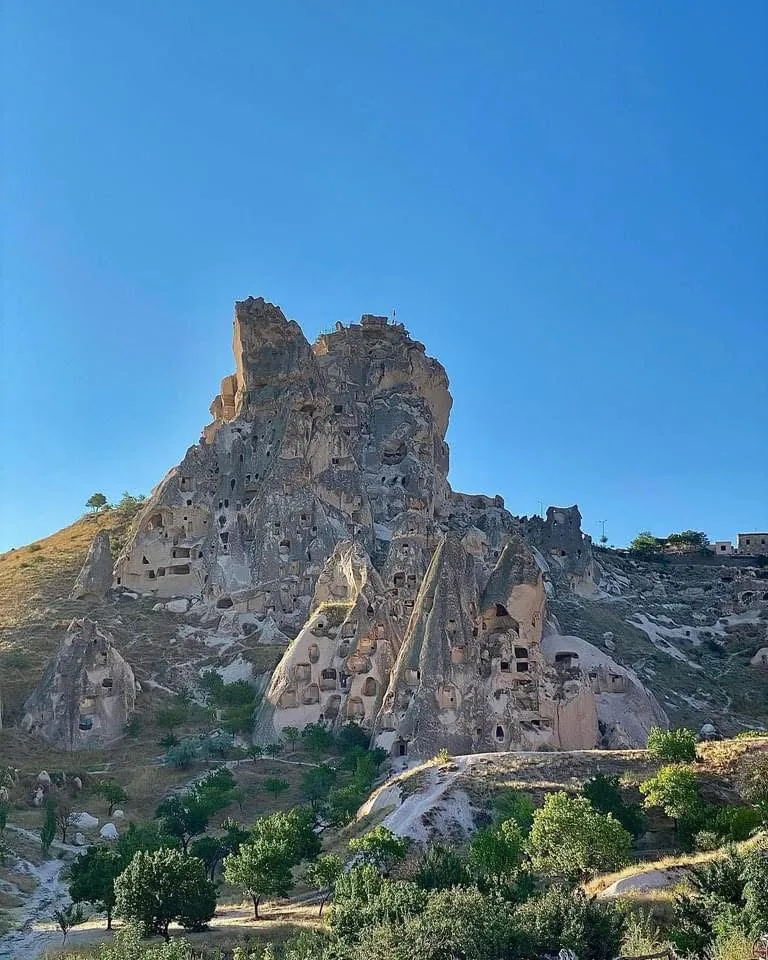
Hotels where room categories deserve close comparison
The hotel describes cave and cave-stone experiences. Compare windows, steps and terrace proximity across categories.
The official property description includes both cave and traditional stone rooms. Suitable for travellers wanting a heritage-focused stay.
Individual suites vary in size and carved character. The named Sultan Suite includes a cave-carved living space and bath features.
Rooms occupy connected historic buildings. Ask which house contains the selected category and how it is reached.
Special considerations for couples and families
Honeymooners should check bathroom privacy, bed size and whether a jacuzzi is inside an enclosed sleeping space. Warm water creates humidity, so ventilation matters. Families should confirm real beds rather than assuming a sofa arrangement, inspect railings and ask whether separate sleeping zones have doors. A private pool requires direct child supervision and may not be heated.
Common booking mistakes
- Assuming every room shown on social media belongs to the lowest category.
- Booking a basement-like room despite discomfort with enclosed spaces.
- Ignoring stairs because the hotel appears central on a map.
- Expecting a private terrace when photographs show a shared breakfast terrace.
- Choosing a jacuzzi without checking ventilation and bathroom privacy.
- Believing a cave room guarantees a balloon view.
How to compare Cappadocia hotels properly
Do not compare only the cheapest displayed rate. Check whether breakfast, taxes, airport transfers and cancellation are included. Confirm the exact room category because one property may sell original cave rooms, newer stone rooms and suites with very different light, temperature and access. Ask how many stairs lead from the road to reception and from reception to the room. In historic hillside buildings, a short map distance can still mean a steep climb.
Balloon-view descriptions also need care. Flight direction changes with the wind, and balloons do not follow one guaranteed path above a particular terrace. A panoramic hotel may offer an excellent sunrise landscape even when the balloons are distant, while a lower hotel may occasionally have balloons nearby. Choose a property that you will still enjoy when flights are cancelled.
Questions to send before booking
- Is this exact room carved cave, traditional stone or modern construction?
- Does the room have an external window and independent ventilation?
- How many stairs are there, and can a vehicle reach reception?
- Is heating or air conditioning available for my travel dates?
- Can the hotel arrange airport transfers and tour pickup?
- Is the terrace private, shared or reserved for restaurant guests?
- What is the current cancellation and payment policy?
Transport should influence your hotel choice
Kayseri Airport and Nevsehir Kapadokya Airport are the usual gateways. A shared shuttle is economical for one or two people, while a private transfer is simpler for families, late arrivals and large luggage. Send the operator your flight number, hotel name and a working contact number. Confirm the final meeting point because large vehicles cannot enter every narrow hotel lane.
Goreme is usually easiest without a car because many restaurants, activity offices and pickups are close together. Uchisar works well for quiet views but can require taxis, especially after dinner. Urgup suits travellers using a car or driver and those who value a larger town atmosphere. Avanos is relaxed and family-friendly but less central for early valley starts. Cavusin offers landscape access and balloon views with fewer evening choices.
When should you book?
Book early when room type matters, especially for school holidays, spring and autumn weekends, honeymoons and suites with private pools or terraces. Flexible travellers can sometimes find later availability, but the most photographed room is not representative of every room at the hotel. Keep screenshots of the exact category and read the written description. Prices change with demand, room type and cancellation terms, so this guide uses value categories rather than unreliable fixed nightly prices.
Responsible hotel booking
Cave hotels occupy sensitive historic buildings and volcanic rock. Normal signs of age are part of the setting, but safety, cleanliness and truthful room descriptions still matter. Use recent verified reviews to look for repeated patterns rather than one emotional complaint. Treat staff fairly, respect quiet hours and ask permission before staging photographs in shared breakfast areas. Do not climb roofs, chimneys or closed terraces for a balloon image.
Make the final decision in three steps
First, remove any property that fails a non-negotiable need such as safe access, a real family bed, an external window or late-night reception. Second, compare the remaining exact room categories rather than hotel reputations. A basic room in a famous property may suit you less than a larger, lighter room in a modest boutique hotel. Third, place the hotel on your itinerary map. Estimate the real journey to breakfast, dinner, tour pickup and the road, including hills and stairs.
Before the free-cancellation deadline, check recent guest feedback again and message the property with your arrival details. Save the written answers. If your flight schedule changes, update both the hotel and transfer company. This simple review catches more problems than searching endlessly for a perfect rating. The best hotel is the one whose room, location and service pattern solve your particular trip.
Plan the experiences around your hotel
After choosing your town, compare airport transfers, balloon flights, day tours and sunset activities that collect from your hotel area. Read the route, inclusions, pickup coverage and cancellation terms before booking.
Compare Cappadocia activities ->
Affiliate disclosure: I may earn a commission at no extra cost to you.
FAQ
Are cave rooms damp?
Some can feel humid, while well-ventilated rooms may not. Conditions vary by building, weather and room depth. Ask recent guests and the hotel about the exact room.
Are cave hotels safe?
Established licensed properties should meet applicable requirements, but travellers should still check exits, stairs and repeated review patterns.
Do cave rooms have air conditioning?
Some do and some rely on natural insulation. Verify the specific category and travel season.
Can children stay in cave rooms?
Yes when the layout is suitable, but inspect stairs, drops, pool access and separate sleeping arrangements.
Should I book one cave night?
If you are unsure, a short cave stay followed by a lighter stone room can provide both atmosphere and comfort on a longer trip.