Cappadocia Wine Tasting Guide: Wineries, Local Grapes, Tours and Transport
Cappadocia Wine Tasting Guide: Wineries, Local Grapes, Tours and Transport
Practical local food guidance for first-time Cappadocia visitors.
Affiliate disclosure: Some booking links may earn us a small commission at no extra cost to you. How our affiliate links work.
Cappadocia has a long wine tradition supported by volcanic soils, dry conditions and rock-cut storage spaces. Urgup and Uchisar are the easiest centres for first-time visitors: Turasan is an established producer in Urgup, while Kocabag is closely associated with Uchisar and local grape varieties. Some hotels and restaurants also operate wine cellars or guided tastings. This guide is for adults who want to compare wineries, understand Emir and other Anatolian grapes, plan safe transport and avoid treating a tasting as an unlimited-drinking activity.
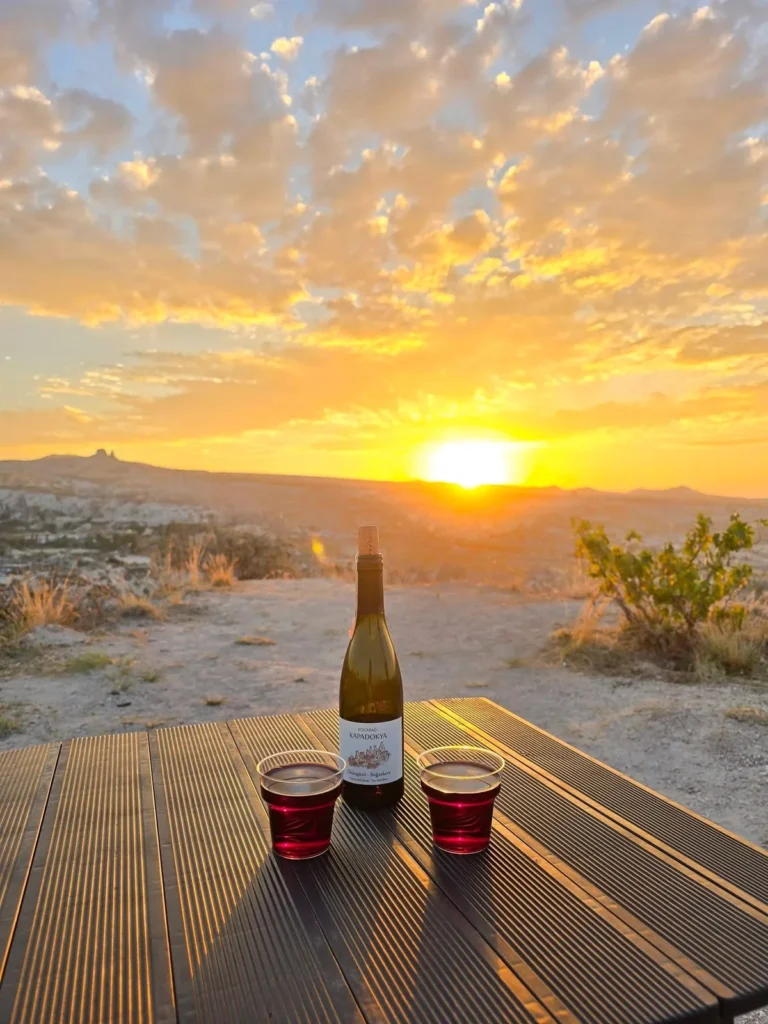
Wine tasting options at a glance
| Place or style | Location | Best for | Check first |
|---|---|---|---|
| Turasan | Urgup | Established producer and accessible tasting | Current hours and tasting format |
| Kocabag | Uchisar area | Local grape focus and cave-cellar story | Which tasting room is operating |
| Seten wine cellar | Goreme | Dinner plus local wine context | Current tasting availability |
| Hotel cellar tasting | Uchisar, Goreme or Urgup | Couples and convenient evenings | Whether non-guests can book |
| Guided winery route | Several locations | Multiple producers without driving | Wineries, sample count and transport |
Why Cappadocia produces wine
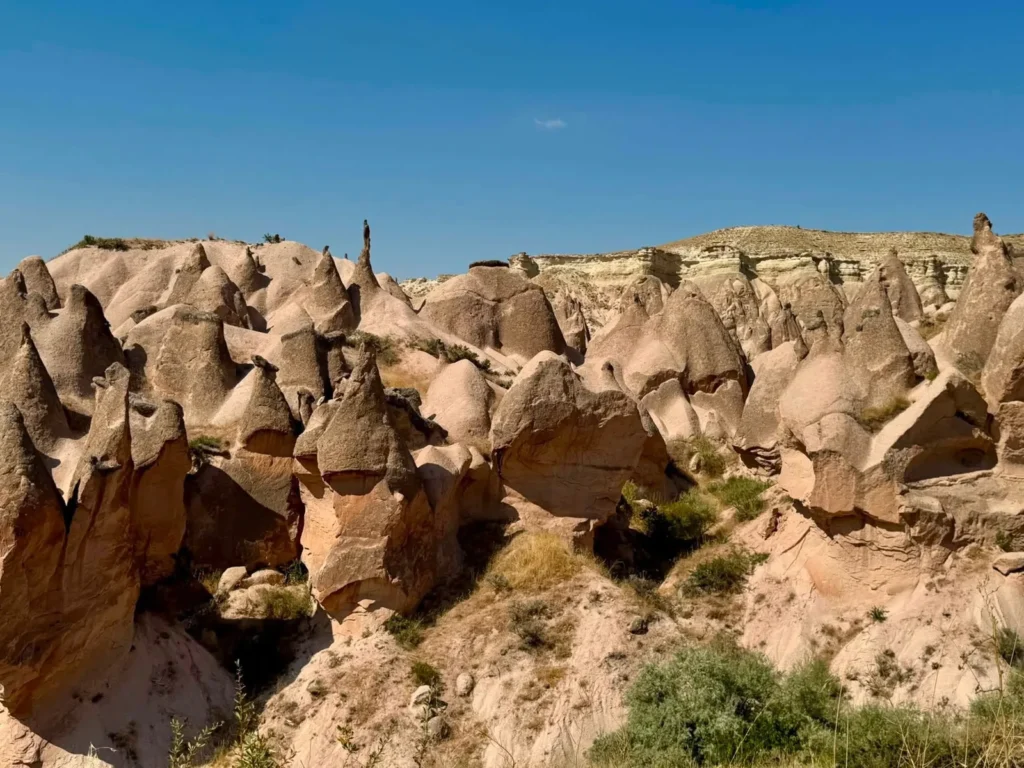
Central Anatolia has grown grapes for centuries. Cappadocia’s dry climate, elevation, volcanic landscape and storage conditions contribute to a distinctive wine culture. Rock-cut cellars provide naturally stable environments, although modern wineries also use temperature-controlled production. Wine here is not a new attraction added for tourists; it connects agriculture, trade, religious history and village life.
Emir and other grapes to recognise
Emir is the local white grape most visitors should learn first. It often produces fresh, dry wine and is a useful match for light appetisers, cheese and fish. Narince is another Turkish white variety you may encounter. Red wines may include Kalecik Karasi, Okuzgozu and Bogazkere, used alone or in blends. Do not worry about memorising names. Ask for a comparison between one regional white and one red.
Turasan in Urgup
Turasan is one of Cappadocia’s best-known producers and has a strong connection with Urgup. It is a practical stop for visitors staying in that town or travelling between central sights. Tasting arrangements, charges, opening hours and cellar access can change, so confirm directly. Busy tour times may feel quick; go at a quieter period if conversation with staff matters.
Kocabag in Uchisar
Kocabag is associated with Uchisar and family winemaking in Cappadocia. It is a useful contrast to Turasan and a natural addition to an Uchisar day. Check the current tasting-room location before travelling because online listings can refer to different outlets. Combine the visit with Uchisar Castle or Pigeon Valley only if you have safe transport and are not planning to drive.
Restaurant and hotel tastings
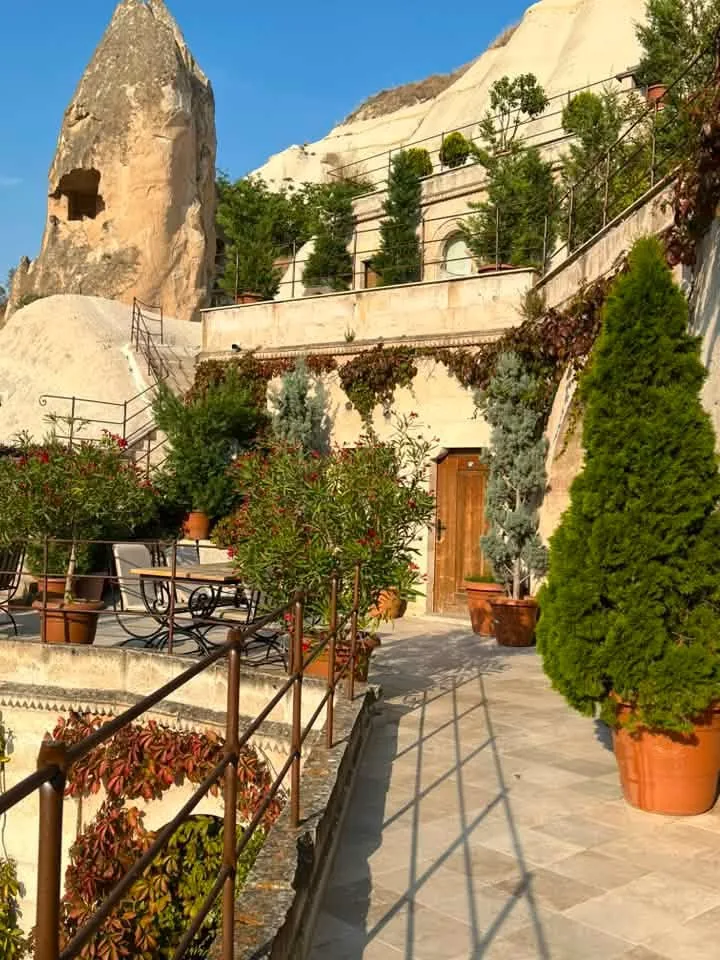
A cellar tasting at a restaurant or hotel can be easier than visiting a production facility. Seten in Goreme describes an old grape-pressing cave used as a wine cellar, connecting dinner with local history. Uchisar hotels may offer curated lists and panoramic settings. Ask whether the event is a guided tasting, a wine flight or simply glasses ordered with food; these are different experiences.
Guided tour or independent visit?
An independent visit works when you want one producer and can use a taxi. A guided route is better for comparing several locations, learning about grapes and avoiding driving. Read the named stops because a generic wine tour can mean a vineyard visit, cellar tasting, restaurant flight or a combination. Confirm food, water, sample sizes, language and hotel return.
How to taste responsibly
Eat before tasting, drink water and use the option to spit or leave wine unfinished. Alcohol affects people differently, especially after an early balloon morning, dehydration or a hike. Do not climb viewpoints or enter uneven cave passages after drinking. Pregnant visitors, children and non-drinkers can still enjoy cultural context only when the venue welcomes them and offers suitable alternatives.
Buying wine and taking it home
Ask whether bottles can be packed for travel and check airline, customs and duty rules for your destination. Heat can damage wine, so do not leave bottles in a parked vehicle. Buying one bottle you understood and enjoyed is more meaningful than collecting labels. Keep the receipt and pack bottles within your checked-luggage allowance when permitted.
How to plan food around a Cappadocia sightseeing day
Cappadocia mornings often begin before normal breakfast time. A balloon pickup may be before dawn, while a photographer or hiker may leave town at sunrise. Ask your hotel whether breakfast is served after the activity and carry a small snack if you need food early. Do not book a heavy lunch at the opposite side of the region between two timed attractions. A relaxed meal near the place you are already visiting normally gives better value than spending an hour in a taxi for one restaurant name.
For dinner, decide whether food, a view or convenience matters most. A rooftop can be memorable at sunset, but a small cave dining room may offer a quieter meal and more personal service. Families often benefit from eating early. Couples may prefer a slower dinner after tour groups leave. Hikers should reserve enough time to return, shower and change; unfamiliar valley paths are not safe shortcuts to a dinner reservation after dark.
Prices, menus and reservations
Restaurant prices and menus change with season, ingredient cost and exchange rates, so this guide does not promise exact meal prices. Read the current menu before sitting down and ask whether bread, water, appetisers or service are charged separately. A pottery kebab may require advance preparation or a minimum order. Wine tastings differ in the number and size of samples. Compare what is included instead of choosing only the lowest headline figure.
Popular restaurants can fill around sunset and on weekends. Some accept reservations, while others use walk-in seating. Check the restaurant’s own current information on the day you visit. If you reserve, give the correct group size and arrive on time. Do not make several bookings for the same evening. For a special occasion, explain whether you need terrace seating, step-free access, a high chair or a quiet table rather than assuming every request is possible.
Food allergies and dietary needs
Tell staff about an allergy clearly before ordering. Vegetarian does not always mean vegan: butter, yoghurt, cheese, egg or meat stock may appear in rice, soup, pastry and vegetable dishes. Gluten can be present in bulgur, bread, sauces and shared cooking areas. Nut and sesame ingredients are common in desserts and spreads. Travellers with a serious allergy should carry a translated allergy card, ask about cross-contact and choose simple dishes when the answer is uncertain.
Useful questions include whether soup contains meat stock, whether rice is cooked with butter, whether stuffed vegetables contain minced meat, and whether a fryer is shared. Staff may genuinely want to help but understand dietary labels differently. Be specific about the ingredients you cannot eat. Keep essential medication with you and do not rely on a general online label such as vegan-friendly as a medical guarantee.
Transport after dinner or wine tasting
Goreme, Uchisar, Urgup, Avanos and Ortahisar are separate towns. A restaurant that looks close on a regional map may require a taxi, especially after dark. Arrange the return before drinking alcohol or visiting an isolated venue. Never drive after a tasting. Ask the experience provider whether hotel pickup and return are included and which towns are covered. A private transfer can make sense for a small group when the final venue is outside the central streets.
How recommendations are chosen
A useful recommendation should explain who a place suits, what to order and what practical issue to check. It should not pretend that one restaurant is best for every traveller. This guide uses established names and clear food styles as starting points, not paid rankings. Ownership, chefs, opening days and menu quality can change. Verify current details and read recent reviews with attention to repeated comments rather than one unusually positive or negative experience.
Local dining etiquette
Turkish hospitality is warm, but visitors should still treat staff and local customs respectfully. Ask before photographing employees or other diners. Tea may be offered after a meal; accepting is friendly but not compulsory. Tipping is appreciated for good table service, although expectations vary. Pay attention to the bill and ask politely if something is unclear. During Ramadan, tourist restaurants usually operate, but showing consideration toward people who are fasting is good manners.
A simple food plan for a three-day visit
| Day | Meal focus | Good match |
|---|---|---|
| Day 1 | Traditional Cappadocia dishes | Local restaurant in your hotel town |
| Day 2 | Quick lunch and scenic dinner | Tour-day lunch plus a terrace or cave restaurant |
| Day 3 | Regional wine or cooking experience | Guided tasting, winery visit or cooking class |
This pattern gives variety without turning the holiday into a checklist. Leave one meal unplanned for a bakery, family restaurant or recommendation you discover locally. If your hotel serves a generous Turkish breakfast, you may prefer a light lunch and earlier dinner. Food is part of Cappadocia’s culture, but it should support the journey rather than make every day run by reservations.
Explore Cappadocia food, wine and cultural experiences
Compare cooking classes, wine tastings, dinner shows and private food experiences. Check the meeting point, transport, menu, dietary support, group size and cancellation terms before booking.
Compare Cappadocia experiences ->
Affiliate disclosure: I may earn a commission at no extra cost to you.
FAQ
What wine is Cappadocia famous for?
Emir is the best-known local white grape. Turkish red varieties and blends are also widely offered.
Where can I taste wine?
Urgup and Uchisar are key centres, with Turasan and Kocabag well-known names. Restaurants and hotels also offer tastings.
Do I need a tour?
No for one accessible tasting, but a tour solves transport and helps compare producers safely.
Can children enter wineries?
Policies differ. Ask the venue, and remember tastings are adult activities even when a site allows families.
Can I drive afterward?
Do not drink and drive. Use a taxi, driver or tour with return transport.