What to Eat in Cappadocia: 15 Traditional Foods and Local Drinks to Try
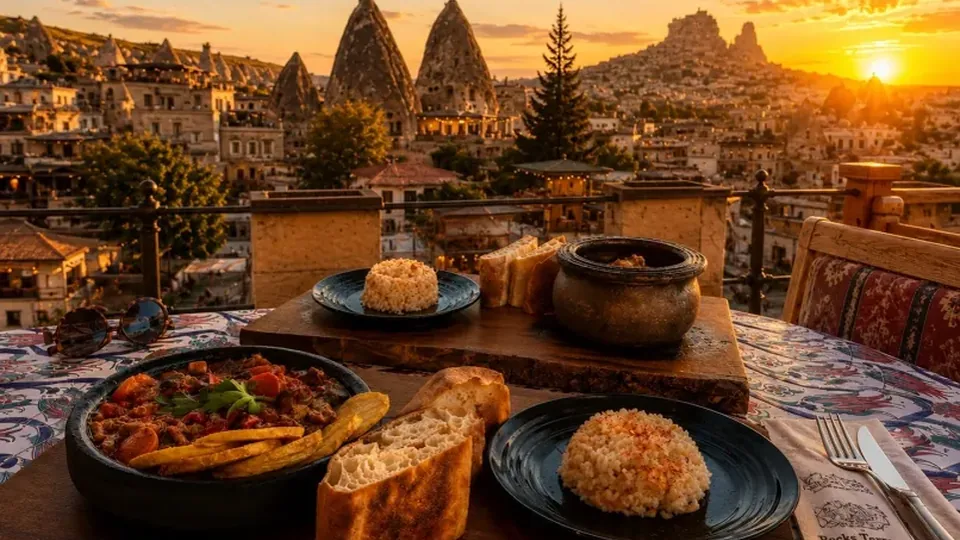
What to Eat in Cappadocia: 15 Traditional Foods and Local Drinks to Try
Practical local food guidance for first-time Cappadocia visitors.
Affiliate disclosure: Some booking links may earn us a small commission at no extra cost to you. How our affiliate links work.
Cappadocia food is shaped by village kitchens, grain, legumes, fruit, vineyards and slow cooking. First-time visitors usually know pottery kebab, but the region offers much more: manti, stuffed vine leaves, soups, bulgur dishes, flatbreads, dried fruit, grape molasses and local wine. This guide explains what each dish is, who it suits and how to order without turning every meal into a tourist performance. Menus vary, so treat the named dishes as a tasting plan rather than a promise that every restaurant serves all of them.
Quick list: 15 Cappadocia foods and drinks
| Food or drink | What it is | Best for |
|---|---|---|
| Testi kebab | Meat and vegetables slow-cooked in a sealed clay pot | Signature dinner |
| Manti | Small dumplings with yoghurt and sauce | Comfort food |
| Yaprak sarma | Stuffed vine leaves | Sharing starter |
| Gozleme | Thin filled flatbread cooked on a griddle | Quick lunch |
| Mercimek corbasi | Lentil soup | Budget meal or cold day |
| Tarhana corbasi | Fermented grain and yoghurt-based soup | Traditional flavour |
| Dolma | Stuffed vegetables, sometimes with meat | Home-style meal |
| Tandir | Slow-cooked meat | Group dinner |
| Bulgur pilavi | Seasoned cracked-wheat pilaf | Regional side dish |
| Kuru fasulye | White bean stew | Simple local lunch |
| Kabak cekirdekli dishes | Local pumpkin-seed preparations | Regional ingredient |
| Pekmez | Concentrated grape molasses | Breakfast and sweets |
| Kayisi and dried fruit | Apricots and seasonal fruit products | Snack or gift |
| Turkish breakfast | Cheese, olives, eggs, bread, preserves and tea | Slow morning |
| Cappadocia wine | Regional wines including Emir whites | Adults interested in vineyards |
Testi kebab: the famous pottery dish
Testi kebab is prepared in a clay vessel, traditionally filled with meat, vegetables and seasoning before being sealed and cooked. The pot may be opened at the table, but the important part is slow cooking, not the performance. Beef, lamb and chicken versions are common, and vegetarian versions may be available. Ask how long it needs and whether it must be ordered earlier. The dish can be rich, so it works well with salad, rice or bread rather than many heavy starters.
Manti and other comforting dishes
Manti are small dumplings commonly served with garlic yoghurt, butter and red pepper seasoning. Recipes and dumpling sizes vary. They make a satisfying meal after hiking, but are not normally vegan or gluten-free. Lentil soup is another reliable comfort dish, especially in winter. Tarhana soup has a more fermented, tangy character. Ask whether either soup contains butter or meat stock if this matters.
Stuffed leaves, vegetables and meze
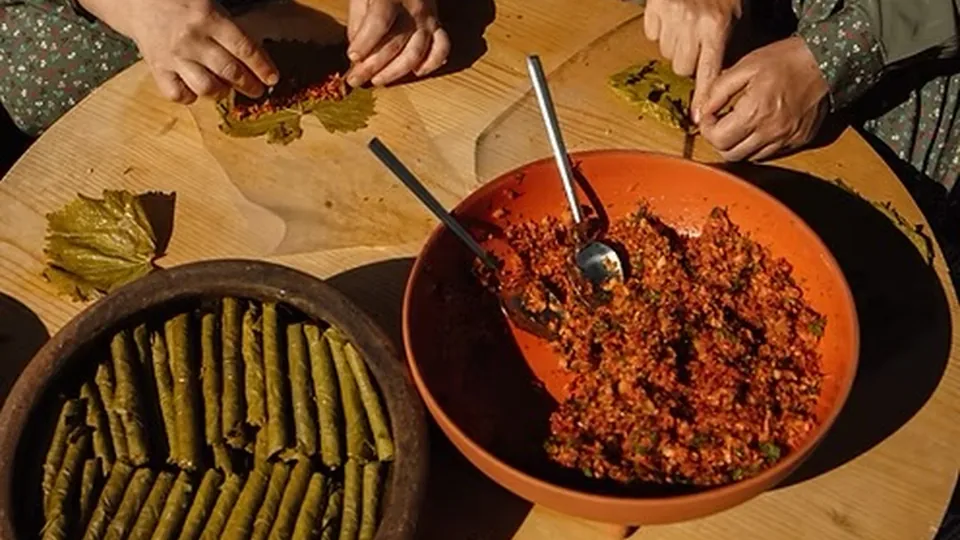
Yaprak sarma uses vine leaves wrapped around a rice filling that may be vegetarian or may contain meat. Dolma describes stuffed vegetables such as peppers, courgettes or aubergines. Pumpkin blossoms sometimes appear seasonally. A mixed meze plate is a good way for two people to compare flavours, but ask what is included because the word meze describes a category rather than one fixed selection.
Gozleme, pide and bakery food
Gozleme is thin dough filled with combinations such as cheese, potato, spinach or minced meat and cooked on a convex griddle. It is practical for lunch between visits. Pide is a boat-shaped baked flatbread with varied toppings. A local bakery can also provide simit, savoury pastry and fresh bread. These foods are inexpensive relative to a long restaurant dinner, but gluten and dairy are common.
Beans, bulgur and village cooking
Kuru fasulye with rice or bulgur is a classic simple meal. Bulgur pilaf absorbs tomato, pepper and stock flavours and often accompanies grilled or slow-cooked meat. Tendir or tandir cooking produces tender meat over a longer period. These dishes help visitors understand everyday Anatolian food beyond the famous clay pot. Ask for the day’s home-style dishes rather than expecting every item to be printed in English.
Breakfast, fruit and grape products
A Turkish breakfast may include several cheeses, olives, tomato, cucumber, eggs, bread, honey, jam, tahini, molasses and unlimited tea. A hotel breakfast is often enough to replace a large lunch. Cappadocia’s grape-growing history also appears in pekmez, a concentrated molasses used with breakfast or desserts. Dried apricots, raisins and pumpkin seeds make portable snacks, but check packaging when buying them as gifts.
What should first-time visitors order?
For one traditional dinner, share stuffed vine leaves or seasonal meze, choose pottery kebab or a vegetable main, and finish with a light dessert or fruit. On another day, eat manti or beans in a modest local restaurant. Add one Turkish breakfast and one regional wine tasting if suitable. This creates a broader picture than ordering pottery kebab every evening.
How to plan food around a Cappadocia sightseeing day
Cappadocia mornings often begin before normal breakfast time. A balloon pickup may be before dawn, while a photographer or hiker may leave town at sunrise. Ask your hotel whether breakfast is served after the activity and carry a small snack if you need food early. Do not book a heavy lunch at the opposite side of the region between two timed attractions. A relaxed meal near the place you are already visiting normally gives better value than spending an hour in a taxi for one restaurant name.
For dinner, decide whether food, a view or convenience matters most. A rooftop can be memorable at sunset, but a small cave dining room may offer a quieter meal and more personal service. Families often benefit from eating early. Couples may prefer a slower dinner after tour groups leave. Hikers should reserve enough time to return, shower and change; unfamiliar valley paths are not safe shortcuts to a dinner reservation after dark.
Prices, menus and reservations
Restaurant prices and menus change with season, ingredient cost and exchange rates, so this guide does not promise exact meal prices. Read the current menu before sitting down and ask whether bread, water, appetisers or service are charged separately. A pottery kebab may require advance preparation or a minimum order. Wine tastings differ in the number and size of samples. Compare what is included instead of choosing only the lowest headline figure.
Popular restaurants can fill around sunset and on weekends. Some accept reservations, while others use walk-in seating. Check the restaurant’s own current information on the day you visit. If you reserve, give the correct group size and arrive on time. Do not make several bookings for the same evening. For a special occasion, explain whether you need terrace seating, step-free access, a high chair or a quiet table rather than assuming every request is possible.
Food allergies and dietary needs
Tell staff about an allergy clearly before ordering. Vegetarian does not always mean vegan: butter, yoghurt, cheese, egg or meat stock may appear in rice, soup, pastry and vegetable dishes. Gluten can be present in bulgur, bread, sauces and shared cooking areas. Nut and sesame ingredients are common in desserts and spreads. Travellers with a serious allergy should carry a translated allergy card, ask about cross-contact and choose simple dishes when the answer is uncertain.
Useful questions include whether soup contains meat stock, whether rice is cooked with butter, whether stuffed vegetables contain minced meat, and whether a fryer is shared. Staff may genuinely want to help but understand dietary labels differently. Be specific about the ingredients you cannot eat. Keep essential medication with you and do not rely on a general online label such as vegan-friendly as a medical guarantee.
Transport after dinner or wine tasting
Goreme, Uchisar, Urgup, Avanos and Ortahisar are separate towns. A restaurant that looks close on a regional map may require a taxi, especially after dark. Arrange the return before drinking alcohol or visiting an isolated venue. Never drive after a tasting. Ask the experience provider whether hotel pickup and return are included and which towns are covered. A private transfer can make sense for a small group when the final venue is outside the central streets.
How recommendations are chosen
A useful recommendation should explain who a place suits, what to order and what practical issue to check. It should not pretend that one restaurant is best for every traveller. This guide uses established names and clear food styles as starting points, not paid rankings. Ownership, chefs, opening days and menu quality can change. Verify current details and read recent reviews with attention to repeated comments rather than one unusually positive or negative experience.
Local dining etiquette
Turkish hospitality is warm, but visitors should still treat staff and local customs respectfully. Ask before photographing employees or other diners. Tea may be offered after a meal; accepting is friendly but not compulsory. Tipping is appreciated for good table service, although expectations vary. Pay attention to the bill and ask politely if something is unclear. During Ramadan, tourist restaurants usually operate, but showing consideration toward people who are fasting is good manners.
A simple food plan for a three-day visit
| Day | Meal focus | Good match |
|---|---|---|
| Day 1 | Traditional Cappadocia dishes | Local restaurant in your hotel town |
| Day 2 | Quick lunch and scenic dinner | Tour-day lunch plus a terrace or cave restaurant |
| Day 3 | Regional wine or cooking experience | Guided tasting, winery visit or cooking class |
This pattern gives variety without turning the holiday into a checklist. Leave one meal unplanned for a bakery, family restaurant or recommendation you discover locally. If your hotel serves a generous Turkish breakfast, you may prefer a light lunch and earlier dinner. Food is part of Cappadocia’s culture, but it should support the journey rather than make every day run by reservations.
Explore Cappadocia food, wine and cultural experiences
Compare cooking classes, wine tastings, dinner shows and private food experiences. Check the meeting point, transport, menu, dietary support, group size and cancellation terms before booking.
Compare Cappadocia experiences ->
Affiliate disclosure: I may earn a commission at no extra cost to you.
FAQ
What food is Cappadocia most famous for?
Pottery kebab is the best-known visitor dish, while manti, soups, stuffed leaves, bulgur, grape products and wine give a wider regional experience.
Is Cappadocia food spicy?
Most dishes are flavourful rather than extremely hot. Pepper sauces can add heat, so ask before ordering.
Can vegetarians eat well?
Yes, but confirm whether rice, soup, dolma and vegetable dishes contain butter or meat stock.
What is a good budget meal?
Lentil soup, gozleme, pide, beans or a bakery lunch can be filling and affordable.
Can children eat pottery kebab?
Usually, but adults should manage the hot pot and broken clay while checking spice and meat texture.