Cappadocia Pottery Kebab Guide: What It Is, Where to Eat and How to Order
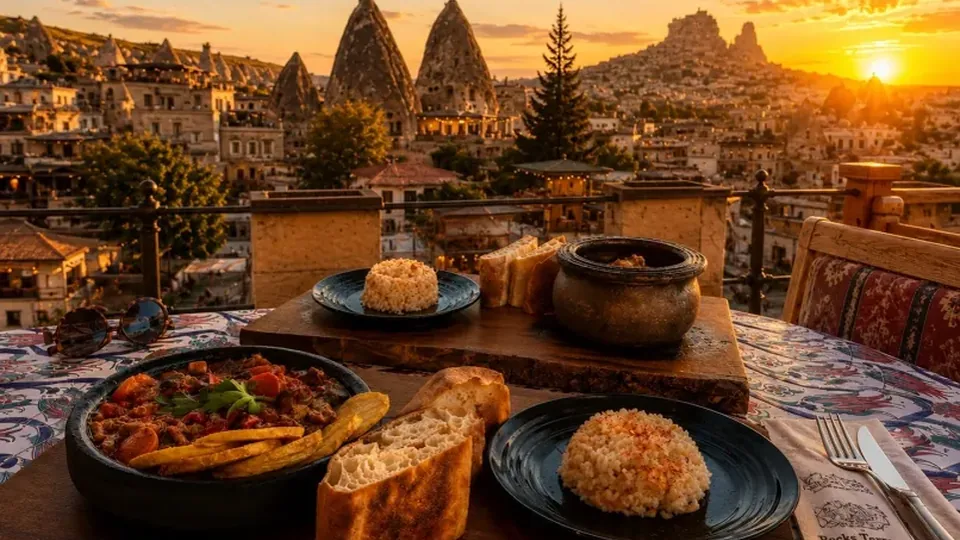
Cappadocia Pottery Kebab Guide: What It Is, Where to Eat and How to Order
Practical local food guidance for first-time Cappadocia visitors.
Affiliate disclosure: Some booking links may earn us a small commission at no extra cost to you. How our affiliate links work.
Pottery kebab, called testi kebab, is Cappadocia’s signature visitor meal: meat and vegetables are slow-cooked in a sealed clay vessel, then the pot is opened before serving. A good version needs preparation time, balanced ingredients and safe handling; breaking clay at the table is only the final moment. This guide explains beef, lamb, chicken and vegetarian options, how far ahead to order, what to ask about price and portion, and how to choose a restaurant in Goreme, Urgup or another Cappadocia town.
Pottery kebab quick answer
| Question | Practical answer |
|---|---|
| What is it? | Meat or vegetables cooked inside a sealed clay pot |
| How long does it take? | Proper versions need advance cooking; ask the restaurant |
| Where should you try it? | An established traditional restaurant in Goreme, Urgup, Avanos or Uchisar |
| Is it spicy? | Usually moderately seasoned, but recipes differ |
| Is there a vegetarian version? | Often, but confirm stock, butter and shared preparation |
| Is the pot reusable? | Serving methods differ; do not assume every vessel is handmade for one use |
How testi kebab is prepared
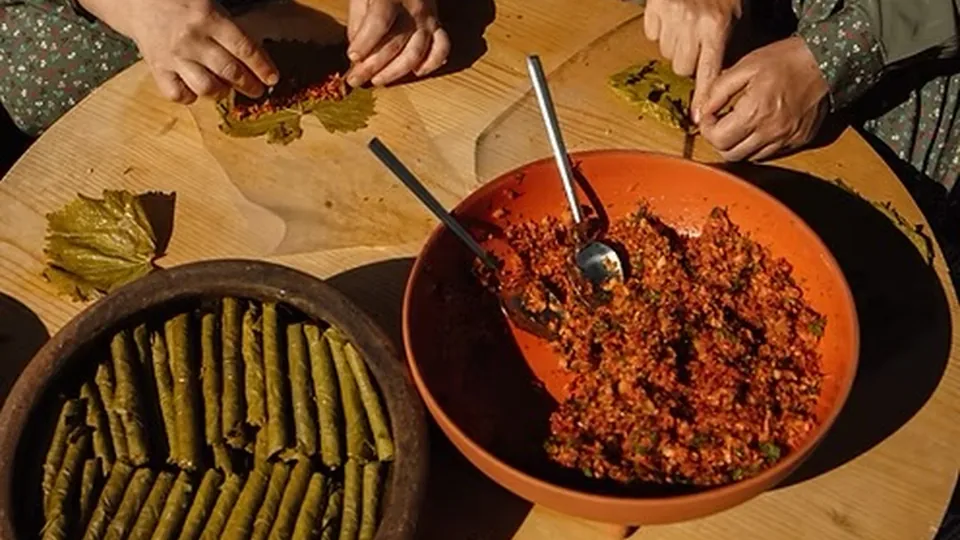
Ingredients are placed inside a narrow clay vessel with seasoning and liquid. The opening is sealed, traditionally with dough or another cover, and the contents cook slowly. Steam and enclosed heat soften the meat and combine the flavours. At service, a staff member scores or taps the vessel and removes the top. The meal is then transferred to a plate or bowl.
Preparation varies between restaurants. Some cook individual pots after an advance order; others manage larger production for tour groups. Ask how the restaurant prepares its version. A fast arrival does not automatically mean poor food, but an honest explanation is more useful than a dramatic show.
Beef, lamb, chicken or vegetarian?
Beef is common and familiar to many travellers. Lamb offers a stronger flavour and can be excellent when cooked slowly. Chicken may be lighter but can dry if rushed. Vegetarian versions commonly use aubergine, tomato, pepper, onion, mushroom or potato. Vegan diners should confirm there is no butter, yoghurt or meat stock. The best choice depends on personal taste, not a fixed ranking.
Where to eat pottery kebab
Dibek in Goreme is strongly associated with traditional dining and pottery kebab. It suits visitors seeking a full cultural setting, though low seating and advance ordering should be checked. Seten offers a wider Anatolian menu and can suit a group where only some people want the clay-pot dish. Urgup also has long-established restaurants serving testi kebab and may feel less concentrated around the central Goreme visitor streets. Avanos connects the dish naturally with the town’s pottery identity.
Do not travel across the region only because one list calls a restaurant number one. Choose a well-reviewed current option near your evening plan. Ask your hotel for two nearby suggestions, compare menus and confirm that the restaurant is describing a cooked-to-order dish rather than only a table performance.
How to order without surprises
- Ask whether advance ordering is required and give an arrival time.
- Confirm the meat or vegetables and whether the listed price is per person or per pot.
- Ask what sides are included and whether the portion is intended for sharing.
- Explain allergies before the pot is prepared; it cannot be changed at the table.
- Ask who will open the vessel and keep children away from hot clay and sharp edges.
What should you eat with it?
Begin with a modest salad, yoghurt dish or two meze plates rather than a full mixed spread. Rice, bulgur or bread absorbs the cooking juices. Ayran works as a non-alcoholic drink, while a local red wine may suit lamb or beef. Finish with fruit, tea or a small dessert if the main was rich. Ordering fewer dishes allows the pottery kebab to remain the centre of the meal.
Common disappointments and how to avoid them
The first problem is ordering too late and receiving a version prepared for speed. The second is paying for a large performance without understanding portion size. The third is assuming a vegetarian pot is automatically vegan. Another common mistake is booking it immediately after a long tour when delays make the advance order difficult. Choose a flexible evening and communicate.
Is pottery kebab authentic or only for tourists?
Clay-vessel cooking belongs to the region’s food and pottery traditions, but modern restaurant presentation is also shaped by tourism. Both can be true. Authenticity is better judged by ingredients, preparation, skill and hospitality than by how loudly the pot is broken. A visitor can enjoy the ceremony while still asking sensible questions.
How to plan food around a Cappadocia sightseeing day
Cappadocia mornings often begin before normal breakfast time. A balloon pickup may be before dawn, while a photographer or hiker may leave town at sunrise. Ask your hotel whether breakfast is served after the activity and carry a small snack if you need food early. Do not book a heavy lunch at the opposite side of the region between two timed attractions. A relaxed meal near the place you are already visiting normally gives better value than spending an hour in a taxi for one restaurant name.
For dinner, decide whether food, a view or convenience matters most. A rooftop can be memorable at sunset, but a small cave dining room may offer a quieter meal and more personal service. Families often benefit from eating early. Couples may prefer a slower dinner after tour groups leave. Hikers should reserve enough time to return, shower and change; unfamiliar valley paths are not safe shortcuts to a dinner reservation after dark.
Prices, menus and reservations
Restaurant prices and menus change with season, ingredient cost and exchange rates, so this guide does not promise exact meal prices. Read the current menu before sitting down and ask whether bread, water, appetisers or service are charged separately. A pottery kebab may require advance preparation or a minimum order. Wine tastings differ in the number and size of samples. Compare what is included instead of choosing only the lowest headline figure.
Popular restaurants can fill around sunset and on weekends. Some accept reservations, while others use walk-in seating. Check the restaurant’s own current information on the day you visit. If you reserve, give the correct group size and arrive on time. Do not make several bookings for the same evening. For a special occasion, explain whether you need terrace seating, step-free access, a high chair or a quiet table rather than assuming every request is possible.
Food allergies and dietary needs
Tell staff about an allergy clearly before ordering. Vegetarian does not always mean vegan: butter, yoghurt, cheese, egg or meat stock may appear in rice, soup, pastry and vegetable dishes. Gluten can be present in bulgur, bread, sauces and shared cooking areas. Nut and sesame ingredients are common in desserts and spreads. Travellers with a serious allergy should carry a translated allergy card, ask about cross-contact and choose simple dishes when the answer is uncertain.
Useful questions include whether soup contains meat stock, whether rice is cooked with butter, whether stuffed vegetables contain minced meat, and whether a fryer is shared. Staff may genuinely want to help but understand dietary labels differently. Be specific about the ingredients you cannot eat. Keep essential medication with you and do not rely on a general online label such as vegan-friendly as a medical guarantee.
Transport after dinner or wine tasting
Goreme, Uchisar, Urgup, Avanos and Ortahisar are separate towns. A restaurant that looks close on a regional map may require a taxi, especially after dark. Arrange the return before drinking alcohol or visiting an isolated venue. Never drive after a tasting. Ask the experience provider whether hotel pickup and return are included and which towns are covered. A private transfer can make sense for a small group when the final venue is outside the central streets.
How recommendations are chosen
A useful recommendation should explain who a place suits, what to order and what practical issue to check. It should not pretend that one restaurant is best for every traveller. This guide uses established names and clear food styles as starting points, not paid rankings. Ownership, chefs, opening days and menu quality can change. Verify current details and read recent reviews with attention to repeated comments rather than one unusually positive or negative experience.
Local dining etiquette
Turkish hospitality is warm, but visitors should still treat staff and local customs respectfully. Ask before photographing employees or other diners. Tea may be offered after a meal; accepting is friendly but not compulsory. Tipping is appreciated for good table service, although expectations vary. Pay attention to the bill and ask politely if something is unclear. During Ramadan, tourist restaurants usually operate, but showing consideration toward people who are fasting is good manners.
A simple food plan for a three-day visit
| Day | Meal focus | Good match |
|---|---|---|
| Day 1 | Traditional Cappadocia dishes | Local restaurant in your hotel town |
| Day 2 | Quick lunch and scenic dinner | Tour-day lunch plus a terrace or cave restaurant |
| Day 3 | Regional wine or cooking experience | Guided tasting, winery visit or cooking class |
This pattern gives variety without turning the holiday into a checklist. Leave one meal unplanned for a bakery, family restaurant or recommendation you discover locally. If your hotel serves a generous Turkish breakfast, you may prefer a light lunch and earlier dinner. Food is part of Cappadocia’s culture, but it should support the journey rather than make every day run by reservations.
Explore Cappadocia food, wine and cultural experiences
Compare cooking classes, wine tastings, dinner shows and private food experiences. Check the meeting point, transport, menu, dietary support, group size and cancellation terms before booking.
Compare Cappadocia experiences ->
Affiliate disclosure: I may earn a commission at no extra cost to you.
FAQ
Do I need to order pottery kebab in advance?
Many proper slow-cooked versions require advance notice. Ask the restaurant how much time it needs.
Is the clay safe?
Staff should handle the hot vessel. Keep hands, cameras and children away while it is opened.
Can two people share one pot?
Sometimes, but portions differ. Confirm whether the price and serving are per person or per vessel.
Is there a vegan pottery kebab?
Some restaurants can prepare one, but confirm stock, butter, yoghurt and cross-contact.
Is Avanos the best place to try it?
Avanos adds pottery context, while Goreme and Urgup offer many restaurant choices. Preparation matters more than the town name.